Skip Hire in Hounslow
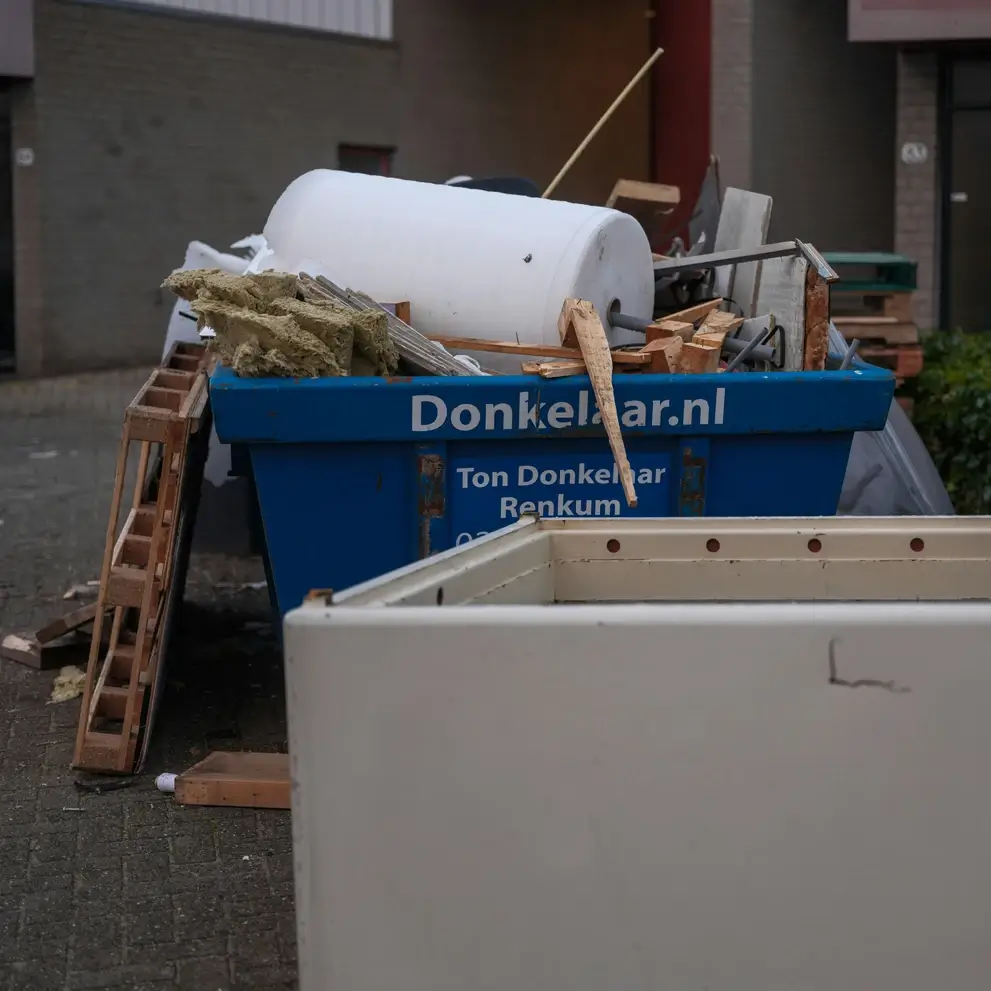
Skip hire in Hounslow for home clear-outs, trade waste and bulky rubbish gives you a practical way to keep waste contained, collected and handled through one organised service. We provide skip hire for a range of everyday and project-based jobs, from household decluttering to building work and garden projects, with options that can suit different volumes and site constraints. If you need a straightforward waste solution in Hounslow, the aim is to make the process easy to understand and simple to arrange.
The service can support customers who need a skip for mixed non-hazardous waste, whether that comes from refurbishment, property clearance or routine tidy-up work. A good hire option should balance capacity, access and collection timing, so the right choice depends on the type of material and where the skip needs to sit. If you are comparing sizes, take a moment to think about the waste first rather than choosing purely by price, because the most suitable option is often the one that avoids overfilling and extra handling.
For a clear starting point, use the size guidance, waste categories and booking information on the site, then request a quotation when you are ready. If your job needs a more specific service type, the options below explain the main routes available. Start with the waste you have, not the skip you think you need.
Domestic Skip Hire for Household Projects
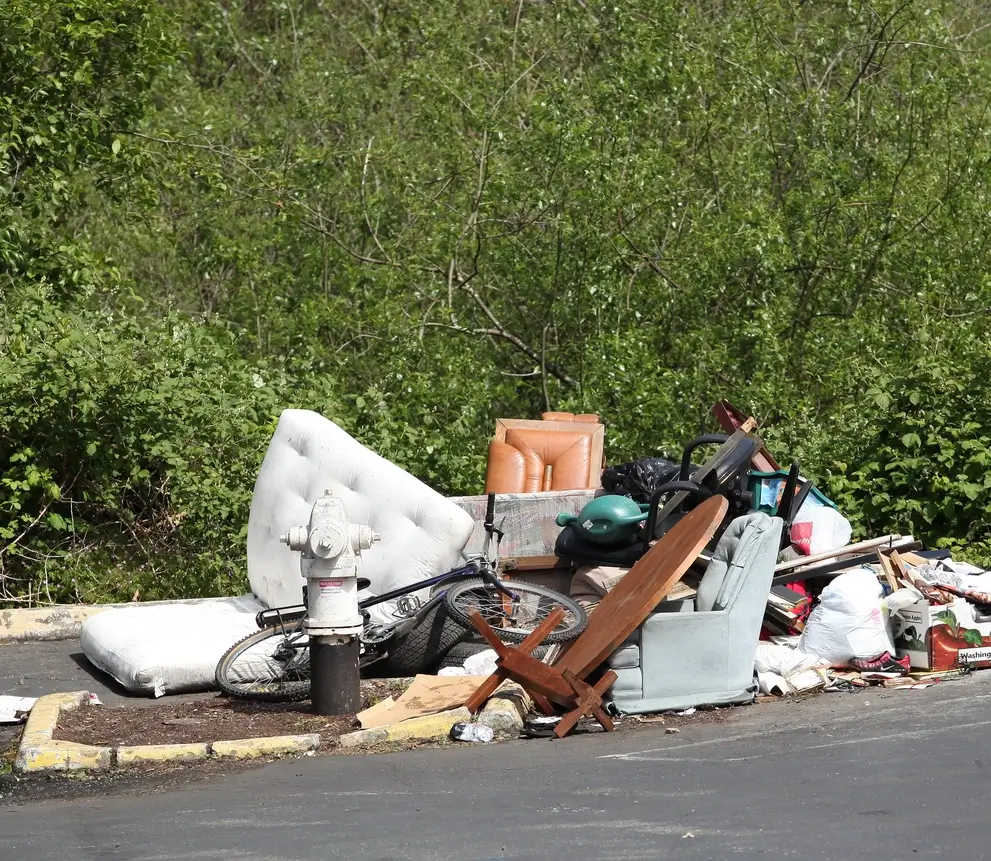
Domestic skip hire is suited to household tasks where waste builds up quickly and needs a single container rather than multiple car loads. That may include loft decluttering, kitchen or bathroom updates, old furniture, packaging and general household rubbish. The value of a skip at home is in the convenience of keeping everything together while work moves ahead at its own pace. It is especially useful when items are awkward to transport or when a property needs a tidier, safer working area.
For homes, the main decisions usually involve size, placement and access. A smaller skip can be useful for lighter clear-outs, while a larger one may be more appropriate if you are removing bulky pieces or waste from several rooms. It also helps to check whether the skip will sit on a driveway, private forecourt or another accessible area. If you need help deciding between domestic options, the domestic skip hire page is a sensible place to compare the service in more detail.
Choosing the right domestic option
Household waste is often mixed, so it helps to separate reusable items, electricals and anything that needs special handling before the skip arrives. Commonly accepted loads can include general rubbish, broken fixtures, timber and packaging, but it is always wise to confirm the permitted materials. If your project involves a slower pace of sorting, a skip gives you room to work methodically without the pressure of repeated trips to disposal sites. That makes it a practical option for cleaning out one room or several at once.
Builders Skip Hire for Renovation and Trade Waste
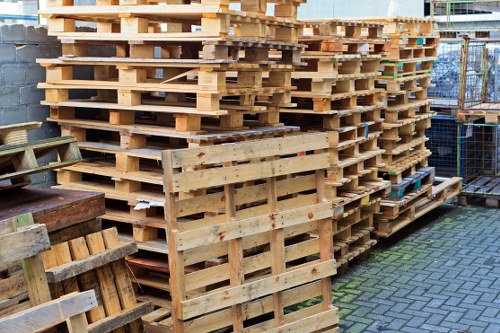
Builders skip hire supports renovation work, minor construction, strip-outs and site tidying where waste is generated steadily rather than all at once. This can suit brick fragments, plaster, timber, packaging, floor coverings and general building debris. A skip placed near the working area helps maintain order and reduces time spent moving waste by hand. It is a common choice when the job creates material that is too awkward or too much for ordinary bins.
For trade and renovation work, the best result often comes from matching the skip to the expected waste mix. Heavy dense materials may fill weight allowances before they fill the container, while lighter demolition waste may take up more physical space. If the work is ongoing, it can be useful to plan when the container will be swapped or removed so the site does not become cluttered. You can review the service information on builders skip hire if you are comparing project-based collection options.
Construction waste and site practicality
Construction waste is usually easier to manage when it is placed directly into one designated container rather than spread across bags or piles. That applies to works such as internal rip-outs, garden structures, flooring removal and small refurbishments. A skip also helps separate regular rubbish from heavier rubble or mixed debris, which can make loading more efficient. Clear access, sensible loading and prompt collection planning all help the work stay organised from start to finish.
Garden, Garage and Loft Clearances

Garden waste removal, garage clearance and loft clearance all benefit from a skip when the task creates a varied mix of unwanted items. Garden work may produce branches, hedge trimmings, soil, turf and broken outdoor materials, while garages and lofts often contain boxes, old storage items, broken furniture and long-ignored clutter. Using one container means the clear-out can happen steadily without relying on separate trips or temporary stockpiles around the property.
Different spaces produce different waste profiles, so it helps to consider whether the job is mainly green waste, mixed household items or a combination of both. Heavier soil and rubble behave differently from lighter pruning waste, and loft clearances often require careful handling of fragile or dusty contents. If you need more detail on outdoor waste, see garden waste removal; for stored household items, garage and loft clearance gives a useful service overview.
When planning any of these clearances, a small amount of sorting beforehand can make loading simpler. Set aside items for reuse, donation, specialist disposal or recycling before the container is filled. That leaves the skip for the material you genuinely want removed and can reduce the chance of creating mixed waste that is harder to manage later. It is a practical way to keep the job moving in a tidy, controlled order.
Commercial Skip Hire and Office Clearance
Commercial skip hire can help shops, offices, landlords, facilities teams and contractors deal with routine waste or one-off clearances. Office clearance work may involve desks, chairs, shelving, archive material, packaging and general non-confidential rubbish, while commercial premises often produce a steady flow of mixed waste during changes, refits or end-of-tenancy works. A skip is useful when the job needs to be completed efficiently without filling internal areas with bags and loose debris.
Some businesses need more than a simple container and may benefit from a broader waste plan that includes collections, segregation and recycling-led handling. The most suitable route depends on access, the type of waste and how quickly it needs to leave the site. If your premises need a broader commercial waste option, take a look at commercial skip hire or, where contents need removing from an office environment, office clearance.
Useful commercial planning points:
- Confirm where the skip can be placed without obstructing entrances, fire exits or loading areas.
- Identify any items that need separate treatment, such as confidential papers or appliances.
- Decide whether the work is a single clearance or part of a staged refit.
- Check whether mixed waste or more specific material streams are expected.
Waste Types, Recycling and Disposal Rules

Good skip hire is not just about collecting waste; it is also about knowing what may be placed in the container and how the load should be managed. Mixed general waste, timber, metal, garden cuttings, household clutter and many renovation leftovers can often be handled through the same service, but restricted items may need a different route. That is why the material list matters: it helps prevent problems at collection stage and supports smoother sorting afterwards.
If you are unsure whether something belongs in the skip, the waste guidance pages can help you decide before the job starts. Materials such as plasterboard, insulation, electrical equipment, fridges, mattresses, appliances and certain chemicals may require more specific handling. For a closer look at what is commonly accepted, consult what can go in a skip; if recycling and material recovery matter to your project, waste recycling services and recycling and sustainability explain the broader approach.
It is sensible to treat waste separation as part of the job rather than an afterthought. Even when a skip is the main disposal route, basic sorting can improve the flow of loading and reduce avoidable contamination. Some customers also prefer to keep recyclable cardboard, clean timber or metal aside where practical. That kind of preparation is often enough to make the waste stream easier to manage without turning the project into a complicated exercise.
Skip Sizes, Costs and Quotation Factors
Choosing the right skip is often a matter of balancing size, weight and the type of rubbish involved. Smaller skips are generally better for compact clear-outs or lighter loads, while larger ones suit bulky items or renovation debris that fills space quickly. A sensible choice depends on what you are removing, where the container will go and whether the material is dense, light or mixed. The goal is to select a size that supports the job without unnecessary strain on access or handling.
Cost is usually influenced by the skip size, the waste type, the hire period, collection requirements and any extra conditions linked to placement or permits. For that reason, a quotation becomes more accurate when the job is described clearly. If you are comparing options, the pages for skip sizes and prices and pricing and quotes can help you understand the main factors before you ask for a figure. Accurate details usually lead to a better-matched quote.
Two simple pieces of information can make the process smoother: what the waste is, and where the skip will sit. If the load includes bulky furniture, soil, rubble or mixed refurbishment material, say so early. If access is tight, mention that as well. That allows the team to guide you toward a suitable option rather than relying on guesswork. Use that to your advantage when you request a quotation.
Specialist Services for More Demanding Waste
Some jobs need a more specific disposal approach than standard skip hire. That can include demolition waste, construction-only debris, hazardous items, large appliance removal or situations where the site layout makes a conventional skip less convenient. In those cases, a tailored waste service can improve safety and reduce unnecessary handling. The important point is to match the disposal method to the material rather than forcing every project into the same pattern.
For heavier or more difficult projects, the site may benefit from a service built around collection efficiency and waste separation. The relevant options on this site include demolition waste removal, construction waste disposal and site clearance. Where the waste is awkward but the area is accessible, grab hire services and grab lorry hire may also be worth comparing against a conventional skip.
When a specialist route is worth considering
Specialist waste handling is particularly useful when the waste stream includes mixed heavy material, restricted items or large quantities that need efficient removal from a site. It can also help where a quicker clear-out is needed and the location allows a different collection method to work more effectively than a skip. If the load includes sensitive or regulated items, the correct route should always be chosen first, even if that means separating the job into more than one collection method.
Access, Placement and Permit Considerations

Where a skip is placed can affect the convenience of the whole job, so access matters as much as capacity. A driveway, yard or private forecourt is often the simplest option, but not every property has that kind of space. The chosen location should allow the container to be filled safely and collected without unnecessary obstruction. It also helps to think about ground surface, clearance around the container and how waste will be carried to it.
If the skip needs to sit on a public road or another controlled location, permit rules may apply. The details vary by setting, so it is sensible to review the permit guidance before finalising the booking. The site includes pages for skip permits and skip hire permits, which can help you understand the basics before arranging placement. If space is tight, a wait and load skip hire option may also be a practical alternative in some situations.
For any placement issue, it is worth checking access in advance rather than discovering a problem on the day. Simple considerations such as gate width, parking restrictions, nearby trees or overhead features can change which service is most suitable. When you are ready, ask for a quotation and mention the access details clearly so the arrangement fits the site properly.
Booking, Service Options and Final Enquiries
Booking a skip is usually easiest when the waste type, approximate volume and site conditions are described clearly from the start. That makes it easier to recommend the appropriate service and avoid unnecessary changes later. The site’s main booking and information pages can help you decide whether you need a standard skip, a specific waste route or a faster turnaround. If you want to compare the main hire options in one place, start with skip hire or, for a quicker collection route, same day skip hire.
It can also be helpful to review the supporting pages before you enquire, especially if the waste involves items with special restrictions. The service pages for hazardous waste disposal, fridge and appliance removal and mattress and sofa disposal explain some of the more specific categories that may need separate attention. Where a more direct enquiry route is needed, you can also visit book online or read the details on contact us.
If you are preparing a quote request, keep it simple: tell us the waste, the address area and the access situation, then choose the service that fits best. We will then help you move toward a practical arrangement. Send the details when you are ready and request your quotation today.